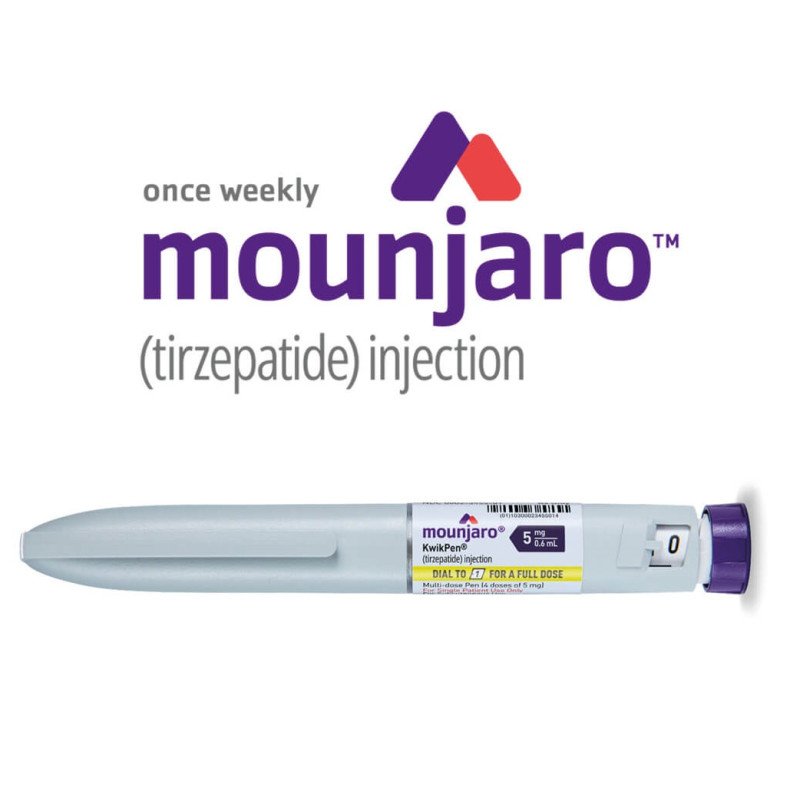
What else should I know about Mounjaro UK?
What else should I know about Mounjaro UK?
Mounjaro can cause some side effects to occur. Very common ones are gastrointestinal in nature: nausea, vomiting, diarrhoea and constipation. These are mainly seen with dose increases, and tend to settle with time.
Other common side effects could include: fatigue, feeling lightheaded, excess wind (flatulence), gallstones, gastroesophageal reflux, injection site reactions, hair loss and hypoglycemia in patients with type 2 diabetes.
In rare cases, there can be serious side effects, such as:
Pancreatitis – if you develop severe abdominal pain, with or without persistent vomiting, this may be a sign of pancreatitis and you need to get medical help immediately.
Anaphylaxis – if you experience difficulty breathing, swelling of the face, lips or tongue and difficulty swallowing, you may be having a severe allergic reaction (anaphylaxis) and you must seek immediate medical help.
Please read the Patient Information Leaflet that comes with your medicine for full details of side effects and how to use Mounjaro.
- Type 2 Diabetes Management: Mounjaro is FDA-approved to improve blood sugar control in adults with type 2 diabetes, used as an adjunct to diet and exercise.
- Weight Loss: While Mounjaro itself is approved for type 2 diabetes, its active ingredient, tirzepatide, is approved under the brand name Zepbound for chronic weight management in adults with obesity or those who are overweight with a weight-related condition.
- Significant Results: Clinical trials have shown that patients using Mounjaro alongside lifestyle changes can achieve substantial weight loss, with some losing over 20% of their body weight over 72 weeks.
- Once-Weekly Injection: Mounjaro is administered via a single-dose injection pen just under the skin of your abdomen, thigh, or the back of your upper arm.
- Gradual Increase: Treatment starts with a low dose (2.5 mg) and is gradually increased every four weeks under medical supervision to help your body adjust and minimize side effects.
- Missed Doses: If you miss a dose, you can take it as soon as possible within 4 days (96 hours). If more than 4 days have passed, skip the missed dose and resume your normal schedule. Do not take two doses within 3 days of each other.
- Storage: Unused pens should be stored in the refrigerator (36°F to 46°F or 2°C to 8°C). Do not freeze Mounjaro. Once in use, it can be kept at room temperature (up to 86°F or 30°C) for up to 21 days.
- Very Common Side Effects: Nausea, diarrhea, decreased appetite, vomiting, and constipation.
- Serious Side Effects (rare): Pancreatitis (inflammation of the pancreas), gallbladder problems (gallstones), severe allergic reactions, and acute kidney injury (often due to dehydration from severe GI issues).
- Boxed Warning: Mounjaro has a US FDA boxed warning regarding the risk of thyroid C-cell tumors based on animal studies. It is not known if this occurs in humans, but you should not use it if you or a family member have a history of medullary thyroid carcinoma (MTC) or Multiple Endocrine Neoplasia syndrome type 2 (MEN 2).
- Lifestyle Changes are Crucial: Mounjaro is most effective when combined with a reduced-calorie diet and regular physical activity.
- Medication Interactions: Mounjaro slows stomach emptying, which can affect the absorption of other oral medications. Women taking oral contraceptives should switch to a non-oral method or use a barrier method (like condoms) for four weeks after starting Mounjaro and after each dose increase.
- Pregnancy and Breastfeeding: Mounjaro is not recommended during pregnancy or while breastfeeding. Women of childbearing potential should use effective contraception.
- Alcohol: Drinking alcohol while on Mounjaro is not recommended as it can worsen gastrointestinal side effects and increase the risk of low blood sugar.
- Long-Term Commitment: If you stop taking Mounjaro, your appetite will likely return to previous levels, and you may regain the weight lost unless you maintain the lifestyle changes.