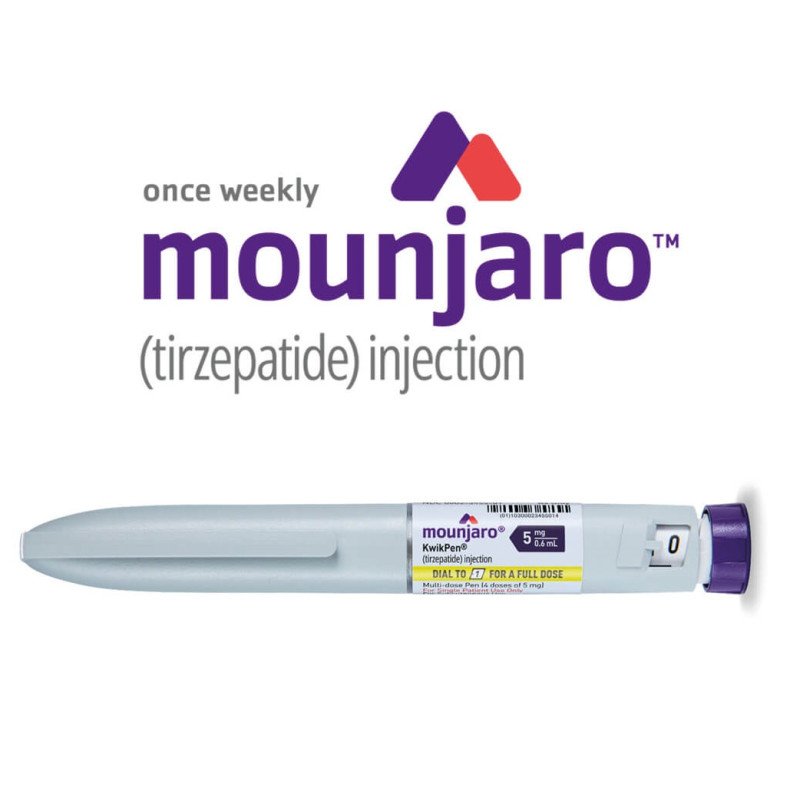
How to manage the side effects of Mounjaro UK
How to manage the side effects of Mounjaro UK Most Mounjaro side effects are mild and tend to decrease over time as your body adjusts to the medication. Key strategies for management involve dietary adjustments, hydration, lifestyle changes, and open communication with your healthcare provider.
- Start Low and Go Slow: Your doctor will begin with a low dose and gradually increase it, which helps your body adapt and minimizes side effects.
- Stay Hydrated: Drink plenty of clear fluids like water and herbal teas throughout the day. Dehydration can worsen side effects like nausea, headaches, and constipation.
- Eat Smaller, More Frequent Meals: Large meals can overwhelm your stomach, which empties more slowly on Mounjaro. Opt for small, balanced meals and stop eating as soon as you feel full.
- Avoid Trigger Foods: Steer clear of greasy, spicy, fried, or high-fat foods, as they are harder to digest and can exacerbate gastrointestinal issues.
- Stay Active: Gentle physical activity, such as walking, can aid digestion and help relieve constipation and fatigue.
- Monitor and Communicate: Track any symptoms and discuss them with your doctor. They may adjust your dosage or recommend over-the-counter remedies.
| Side Effect | Management Tips |
|---|---|
| Nausea & Vomiting | * Eat bland, low-fat foods (crackers, toast, rice, bananas). * Sip cold, clear drinks or ginger/peppermint tea. * Get fresh air and distract yourself. * Don’t lie down immediately after eating; stay upright for a few hours. * Over-the-counter anti-sickness medicines may be suggested by your pharmacist. |
| Constipation | * Increase your intake of fiber from fruits, vegetables, and whole grains gradually. * Drink plenty of water to help soften stools. * Engage in regular light physical activity. * Over-the-counter laxatives can be used short-term if needed (consult your pharmacist first). |
| Diarrhea | * Drink plenty of fluids or electrolyte solutions to prevent dehydration. * Eat easy-to-digest, low-fiber foods like plain rice, bananas, and toast temporarily. * Avoid caffeine, alcohol, and spicy foods. * Anti-diarrheal medication like loperamide may be used (after consulting a pharmacist). |
| Headaches | * Stay well-hydrated, as dehydration is a common cause. * Rest in a quiet place with dim lighting. * Over-the-counter pain relief (e.g., paracetamol) can help. |
| Fatigue | * Ensure a balanced diet with adequate protein and nutrients. * Prioritize quality sleep and regular rest. * Engage in light exercise like walking. * Stay hydrated and ensure you are eating enough calories. |
| Injection Site Reactions | * Rotate your injection sites (abdomen, thigh, or upper arm) each week. * Apply an ice pack or cold compress to the area to reduce pain and swelling. * Antihistamine tablets or creams can help with itching. |
- Severe abdominal pain that might radiate to your back, with or without vomiting (potential pancreatitis or gallbladder issues).
- Signs of a severe allergic reaction, including difficulty breathing, swelling of the face, lips, tongue, or throat, and a severe rash.
- Symptoms of acute kidney injury, such as decreased urination or swelling in the legs/ankles (often linked to severe dehydration from prolonged vomiting/diarrhea).
- Symptoms of very low blood sugar (hypoglycemia) if you are also on other diabetes medications (e.g., dizziness, confusion, shakiness, slurred speech).
- Vision changes that are new or worsening.
- Neck lump, persistent hoarseness, or difficulty swallowing (potential thyroid C-cell tumors).
Mounjaro, like all weight loss injections, can cause side effects in some people. However, these vary from person to person and what you experience might not be the same as what someone else does. The best way to manage with side effects is to know what they are and what to do about them. We also take steps to reduce your chances of getting side effects by gradually increasing your dose so your body gets used to the medication slowly. We call this process titration, and we do it to keep you safe and get the most out of your treatment.
Here, we take a look at the side effects Mounjaro can cause, how to manage them effectively yourself and what to do if they get too difficult to handle. We’ll also look at how long they usually last and when you should be concerned.
- 1. What are the common side effects of Mounjaro?
- 2. How long will Mounjaro side effects last?
- 3. Will side effects get worse when I increase the dose?
- 4. How to manage the side effects of Mounjaro
- 5. Less common or serious side effects from taking Mounjaro
- 6. When should I speak to a doctor about my side effects?
- 7. Will I get withdrawal symptoms when I stop taking Mounjaro?
- 8. Mounjaro Side Effects FAQs
What are the common side effects of Mounjaro?
Mounjaro can cause some common side effects. The types of side effects and how long they last can vary from person to person.
The very common side effects of Mounjaro include:
- feeling sick (nausea)
- being sick (vomiting)
- constipation
- diarrhoea
- stomach pain
- low blood sugar* (when used for the treatment of type 2 diabetes alongside sulphonylurea or insulin)
The common side effects of Mounjaro include:
- allergic reactions, such as itching, eczema, or a rash
- dizziness
- heartburn or reflux
- indigestion
- bloating
- burping
- excess wind
- injection site reactions, such as redness or itching
- low blood pressure
- hair loss
- low blood sugar (when used for the treatment of type 2 diabetes alongside both metformin and a sodium-glucose co-transporter 2 inhibitor)
- feeling tired
- gallstones
- increased levels of the pancreatic enzyme lipase in the blood
- increased calcitonin levels in the blood
Most common side effects should clear up on their own as your body gets used to treatment, but if you are struggling to manage, speak to your doctor.
Some common side effects are mainly seen in people with type 2 diabetes. These are:
- feeling less hungry (a side effect when the primary aim is sugar control)
- low blood sugar (if taken with some types of diabetes medication)
If you are taking medication to treat type 2 diabetes, such as Metformin, you are at a higher risk of hypoglycemia (low blood sugar).
The symptoms of low blood sugar are non-specific but can include:
- feeling dizzy
- feeling tired
- feeling hungry
- weakness
- confusion
- irritability
- anxiety
- fast heartbeat
- sweating
It’s important to tell your doctor if you are taking any other medications before you start taking Mounjaro.
You can also report any side effects you experience through the Yellow Card Scheme.
How long will Mounjaro side effects last?
How long Mounjaro side effects last differs from person to person, so there’s no set time that they will last, but mild side effects are likely to go away within a few days to a couple of weeks as your body gets used to the medication. More severe side effects can take longer to go away, but you should discuss these with your doctor for advice and support. If you stop taking Mounjaro, your side effects should go away.
You’re most likely to get side effects when you first start taking Mounjaro or when you increase the dose. This is because your body needs time to get used to and adjust to the medication.
Will side effects get worse when I increase the dose?
Side effects can get worse or come back when increasing your dose. This is because your body needs to get used to higher doses of medication.
These side effects will usually get better over time as your body adjusts to the new dose.
How to manage the side effects of Mounjaro
Most mild side effects, such as nausea, constipation or diarrhoea, and headache, can be managed at home. If you experience more severe or serious side effects, such as an allergic reaction or severe stomach pain, you should seek emergency medical help.
Feeling sick (nausea)
A common side effect of weight loss treatment is feeling sick (nausea). You should let your doctor know if you’re feeling sick, but there are things you can do to feel better at home.
We recommend:
- eating smaller, more frequent meals
- stopping eating when you feel full
- avoiding fat or fatty foods
- eating bland foods like toast, rice or crackers
- taking regular sips of a cold drink
- drinking ginger or peppermint tea
- eating foods containing ginger
- getting some fresh air
- distracting yourself – for example, by watching TV or listening to music
Constipation
If you are constipated, there are several things you could try:
Make changes to your diet
- eating a healthy, balanced diet
- eating fruits containing sorbitol such as grapes (and raisins), apricots, apples, raspberries and strawberries
- including some wheat bran, linseed or oats in your diet
- gradually increasing the fibre in your diet
Make a toilet routine
- trying to go to the toilet at a regular time
- giving yourself plenty of time to go to the toilet
- not delaying going to the toilet
- trying to raise your feet when you go to the toilet, for example by resting your feet on a stool
You can also try increasing your physical activity. Going for a daily walk or a run can help move food through your digestive system. If diet and lifestyle changes have not helped, speak to a pharmacist. They may be able to suggest a laxative. These are medicines that can help you with constipation.
If you are still constipated and laxatives have not helped, go and see your GP. You should also go and see your GP if you:
- are regularly constipated
- are regularly bloated
- have blood in your poo
- feel tired all the time
- are taking medication that causes constipation – such as opioids
- notice sudden changes in toilet habits
- have stomach pain
Diarrhoea
If you are having diarrhoea, it is important that you stay hydrated by drinking water or squash. Try to avoid foods that are spicy or fatty. If your diarrhoea lasts for more than 7 days or if you notice blood in your poo, seek medical advice.
Talk to your doctor if you have a side effect that bothers you or doesn’t go away.
Injection site reactions
It’s common to experience redness, bruising, swelling, itching and pain on or around the injection site when using a weight loss injection. These may settle as your body gets used to taking the medication. To help reduce injection site reactions you can:
- try taking an antihistamine tablet
- apply an antihistamine cream to the area
- switch up your injection site
- ensure you thoroughly clean the skin of the area before injecting
- use an ice pack to numb the area and prevent irritation before injecting
➤ There are a number of over-the-counter options that could help ease side effects, however you should speak to a doctor about your side effects if they are not going away and are interfering with your daily life.
Less common or serious side effects from taking Mounjaro
Most side effects of Mounjaro are mild and manageable but in some cases, more severe side effects are possible. Less common or rare side effects means that they happen to less than 1% of people who take Mounjaro.
The uncommon side effects of Mounjaro include:
- fast pulse
- inflamed pancreas (a serious side effect which needs to be treated straight away by a doctor or hospital)
- increased levels of the pancreatic enzyme amylase
- low blood sugar (when used for type 2 diabetes with metformin)
- pain at the injection site
- cholecystitis (gallbladder infection)
- change in taste
- change in skin sensation
- a delay in the emptying of the stomach
If you experience any of the following symptoms of these side effects, stop taking Mounjaro and call 999.
Very rare side effects of Mounjaro that are shown to affect less than 1% of patients, include:
- a severe allergic reaction, which can make it difficult to breathe, cause facial and airway swelling (angiodema), or cause you to collapse
Low blood sugar (hypoglycaemia)
If you take Mounjaro with other type 2 diabetes medications that lower your blood sugar, such as insulin, sulphonylureas, metformin, or a sodium-glucose co-transporter 2 inhibitor like Forxiga, this can increase your risk of getting low blood sugar. Symptoms of low blood sugar include:
- feeling dizzy
- feeling tired
- feeling hungry
- weakness
- confusion
- irritability
- anxiety
- fast heartbeat
- sweating
If you have any of these symptoms, try to eat or drink something that contains sugar. This could be fruit juice, a fizzy drink, glucose or dextrose tablets or sweets. If you feel that your symptoms have improved, try eating a longer-acting carbohydrate, such as bread or biscuits.
If you have frequent low blood glucose symptoms, you should talk to your doctor or diabetes care team.
If your blood glucose gets very low, you may lose consciousness. This is a medical emergency and you will need emergency medical attention.
Inflammation of the pancreas
Inflammation of the pancreas (pancreatitis) is an uncommon but serious side effect of Mounjaro. If you have severe pain in your stomach or back that does not go away, a high temperature, or are sick, stop using Mounjaro and seek medical attention immediately.
Gallbladder problems
Gallbladder problems such as gallstones or inflammation of the gallbladder (cholecystitis) are rare but serious side effects of Mounjaro. GLP-1 inhibitors like Mounjaro can cause gallbladder problems because they can reduce the amount of a hormone called cholecystokinin, which is important for healthy gallbladder function.
If you have symptoms of gallbladder problems, stop taking Mounjaro and seek medical advice immediately. Symptoms may include severe upper abdominal pain, fever, yellowing of the skin or eyes (jaundice), and pale stools.
Allergic reaction
It is uncommon, but some people can be allergic to Mounjaro. If you have any symptoms of an allergic reaction, stop using Mounjaro and seek emergency medical attention. Symptoms of an allergic reaction include:
- swelling of the face, tongue or throat
- problems breathing or swallowing
- severe rash or itching
- fainting or feeling dizzy
- very fast heartbeat
Angioedema
Angioedema is a rare but serious side effect of Mounjaro. This is where your skin becomes swollen. This mostly happens around the eyes and mouth. If you notice this, stop taking Mounjaro and seek medical help right away.
When should I speak to a doctor about my side effects?
You should speak to a doctor if your side effects are not going away, if they are bothersome, or if they are serious.
You should speak to a doctor when your side effects:
- are affecting your day-to-day life
- are not getting better over time
- are not going away after several weeks
- are severe
- are serious
Serious side effects include:
- inflammation of the pancreas (pancreatitis)
- gallbladder problems (gallstones, cholecystitis)
- anaphylaxis
- angioedema
- low blood sugar
Will I get withdrawal symptoms when I stop taking Mounjaro?
Stopping taking Mounjaro is not known to cause withdrawal symptoms.
It takes about 25 days for Mounjaro to completely leave your system after you stop taking it. This means that any side effects from Mounjaro are likely to go away within 25 days.
When you stop taking Mounjaro, the effects of Mounjaro will be reversed. This means that your blood sugar levels are likely to return to the level they were before taking Mounjaro. This study found that people taking Mounjaro regained up to one-third of the weight they lost after stopping.
Mounjaro Side Effects FAQs
Is Mounjaro safe?
Mounjaro has been approved for use in the UK by the Medicines and Health Regulatory Authority (MHRA). This means that Mounjaro has been deemed safe for use in patients who are prescribed Mounjaro by a registered health practitioner.
Will drinking alcohol make my side effects worse?
Combining alcohol with Mounjaro increases the risk of some side effects of Mounjaro or could make them worse. Alcohol can also cause low blood sugar or can make symptoms of low blood sugar more difficult to spot. Mounjaro can also cause low blood sugar in people with type 2 diabetes who are taking certain diabetes medicines. This means that drinking alcohol whilst taking Mounjaro could be risky.
Can Mounjaro cause long-term side effects?
Mounjaro can rarely cause ongoing side effects that include:
- vomiting that continues for several weeks
- ongoing digestive problems
- pancreatitis
In these cases you may need to stop taking Mounjaro and receive ongoing treatment for your side effects.
Will side effects prevent me from driving?
If you feel unsafe to drive, do not drive until you feel safe to do so. Mounjaro can cause low blood sugar in people with type 2 diabetes. If you have type 2 diabetes, check your blood sugar levels before driving. You can only drive if your blood sugar reading is 5mmol/l and above. If your reading is below 4 mmol/l, eat fast-acting carbohydrates, such as sweets, also include long-acting carbohydrates, like crackers. Wait for 45 minutes then re-check your blood sugar levels.
Can Mounjaro cause flu-like symptoms?
Mounjaro is not known to cause flu-like symptoms. However, there is some overlap between other flu symptoms like nausea and vomiting and Mounjaro side effects. See a doctor if you’re worried about the flu or Mounjaro side effects.
Will Mounjaro make me tired?
Studies have shown around 1 in 10 people feel tired when taking Mounjaro. This common side effect usually goes away on its own once you get used to treatment, and can also be caused or made worse by not getting enough calories or nutrients. Eating a healthy, balanced diet while losing weight can help improve tiredness, but speak to your doctor if this is not getting better or is affecting your daily activities.
Can Mounjaro cause depression?
Depression is a known side effect of Mounjaro, however it is not known exactly how likely Mounjaro is to cause depression. If you’re experiencing depression after starting Mounjaro, talk to your doctor. They may recommend stopping Mounjaro or starting separate treatment for depression.
Can Mounjaro cause hair loss?
Studies have shown that Mounjaro can cause hair loss when it is used for weight loss. In this study, 4.7% of people taking Mounjaro experienced hair loss. Most of these patients recovered their hair whilst still taking Mounjaro.
Can Mounjaro cause acid reflux?
Mounjaro can cause acid reflux. This happens to between 1 in 100 to 1 in 10 people who take Mounjaro. If you’re experiencing acid reflux, you can request treatment online from Superdrug Online Doctor.
Can Mounjaro cause erectile dysfunction?
Mounjaro is not known to cause erectile dysfunction. If you find you can’t get or stay hard enough to have sex, you can request erectile dysfunction treatment online from Superdrug Online Doctor.